EDUCATION — THE MAP
Sixteen districts.
Palestine as it was administered in 1947, before partition — and what became of each district after. Tap a district to read it.
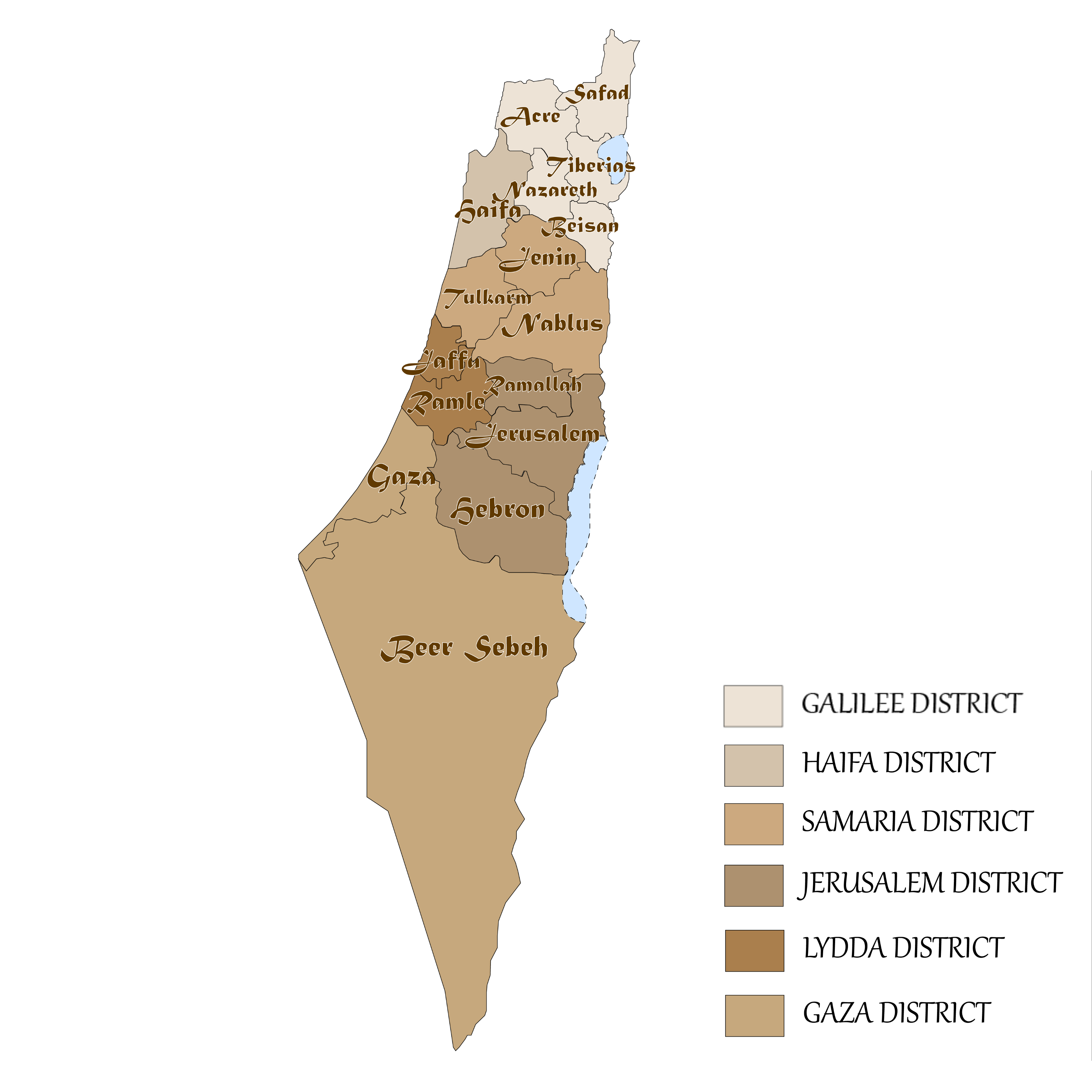
The boundaries are the sub-districts of Mandate Palestine in 1947 — the last administrative map of the whole country. The names are the ones used then.
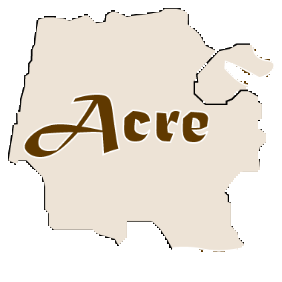
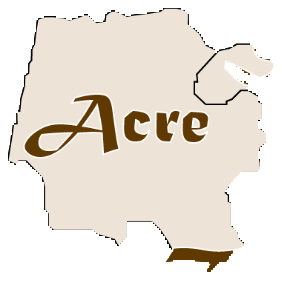
Acre
عكاA walled Ottoman port on the Galilee coast, famous for withstanding Napoleon’s siege in 1799, with a sub-district of olive groves and fishing villages behind it. The city fell in July 1948 and most of its Palestinian residents were displaced; a minority stayed.
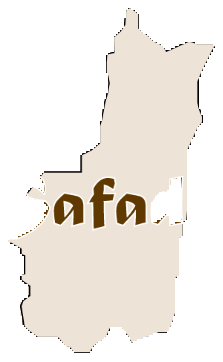
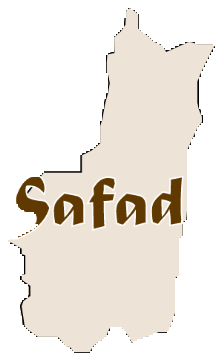
Safad
صفدA hill town in the Upper Galilee highlands, a centre of trade and of Jewish mysticism, ringed by dozens of Palestinian villages. It was taken in May 1948 and its Palestinian population left or was expelled almost in full.
Tiberias
طبرياA mixed town on the shore of Lake Tabariyya with a long history of Arab and Jewish quarters side by side. In April 1948 its Palestinian residents were evacuated under British escort and never allowed to return.
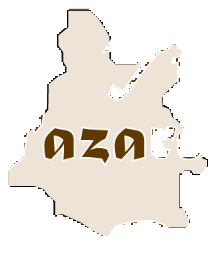
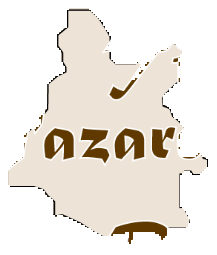
Nazareth
الناصرةA Galilee hill town and Christian pilgrimage centre. It surrendered in July 1948 under a signed agreement and, unusually, its people were not expelled — so it absorbed refugees from the villages around it.
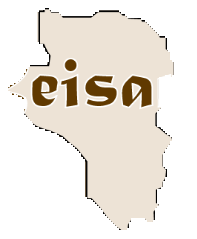
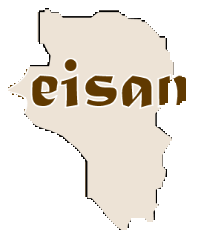
Beisan
بيسانA town where the Galilee meets the Jordan Valley, on old trade roads, surrounded by some of the most fertile farmland in the country. Its residents were expelled in May 1948, many of them across the river.
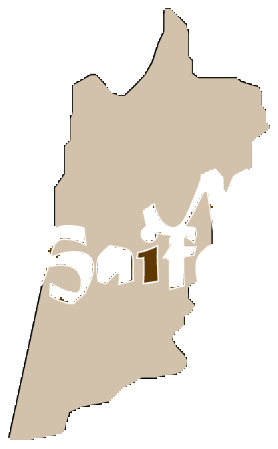
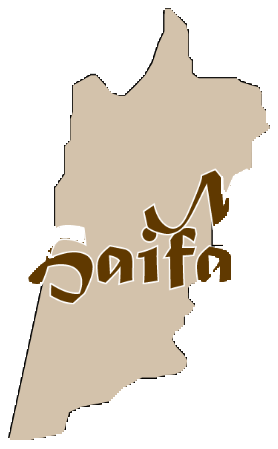
Haifa
حيفاThe industrial heart of Mandate Palestine: a deep-water port, the railway works, the oil terminal, and a Palestinian working and middle class of dockers, clerks and printers. In April 1948 the great majority of them fled or were driven out by sea.
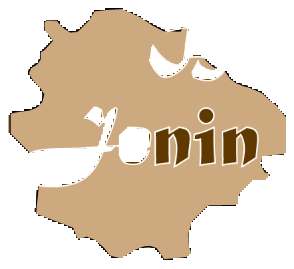
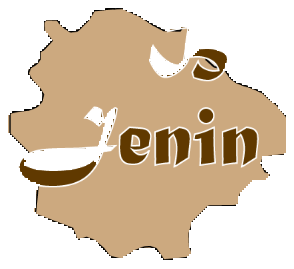
Jenin
جنينA town on the edge of the Marj Ibn Amir plain and a centre of the 1936–39 revolt. It held in 1948 and then took in refugees from Haifa and the Carmel villages, who built the camp beside it.
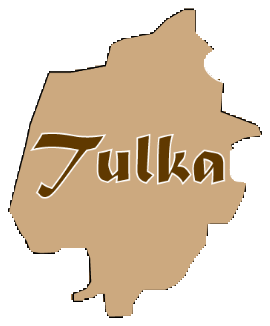
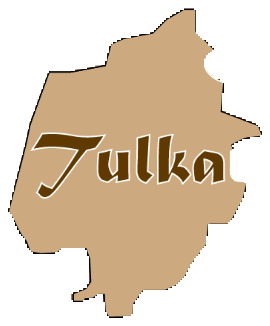
Tulkarm
طولكرمA farming town where the hills meet the coastal plain, known for its citrus and its agricultural school. The 1949 armistice line cut it off from most of its land, and two refugee camps were built on what remained.
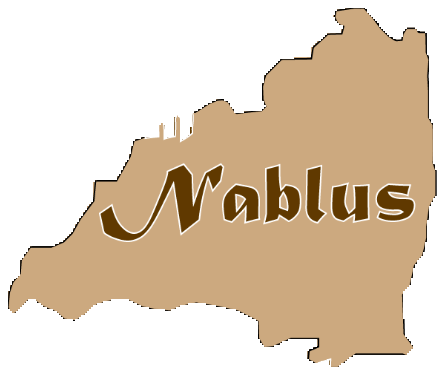
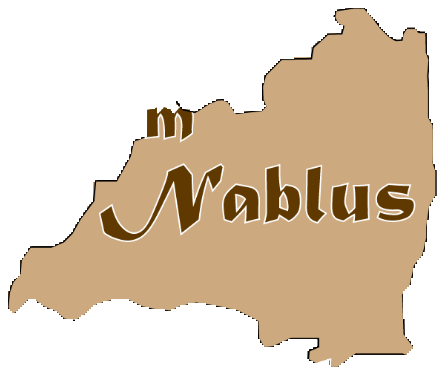
Nablus
نابلسA mountain city between Gerizim and Ebal — olive oil soap, kanafeh, and a reputation earned in every revolt from 1834 onwards, which is why it is called Jabal al-Nar, the Mountain of Fire.
Jaffa
يافاThe Bride of the Sea: the largest Palestinian city, the main port and the country’s cultural engine — newspapers, cinemas, publishing houses, and the orange groves that made Jaffa a word in every European market. Besieged and emptied between April and May 1948.
Ramle
الرملةAn eighth-century town on the Jaffa–Jerusalem road, twinned with neighbouring Lydda. Both were captured in July 1948 and their populations expelled on foot towards Ramallah in the July heat.
Ramallah
رام اللهA cool hill town north of Jerusalem, historically Christian, known for its schools and printing presses. It doubled in size with refugees in 1948 and three camps grew around it.
Jerusalem
القدسAl-Quds: the Old City with al-Aqsa and the Holy Sepulchre, ringed by Palestinian suburbs — Talbiya, Qatamon, Baqʿa — whose residents were displaced in 1948 when the city was divided.
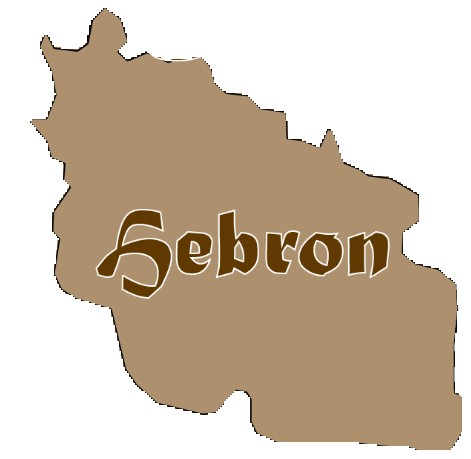
Hebron
الخليلAl-Khalil: glass and ceramics, grapes and stone quarries, and the Ibrahimi Mosque at its centre, where 29 worshippers were killed by a settler in 1994.
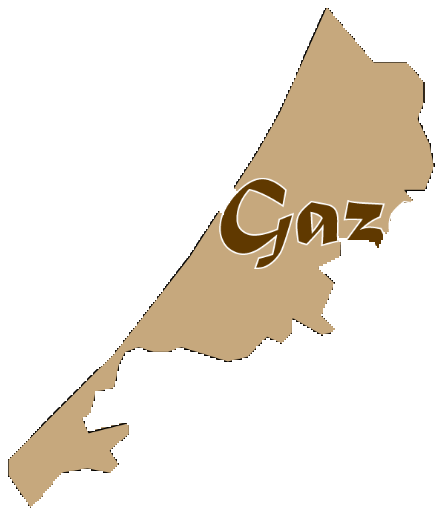
Gaza
غزةAn ancient coastal city at the crossroads between Egypt and the Levant, with a sub-district of citrus and grain villages. In 1948 its population trebled as refugees arrived from Jaffa, Ramle and the Naqab and were not allowed home.
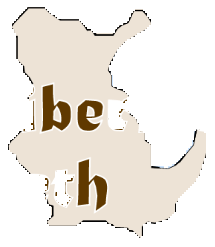
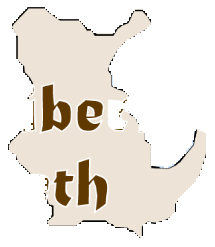
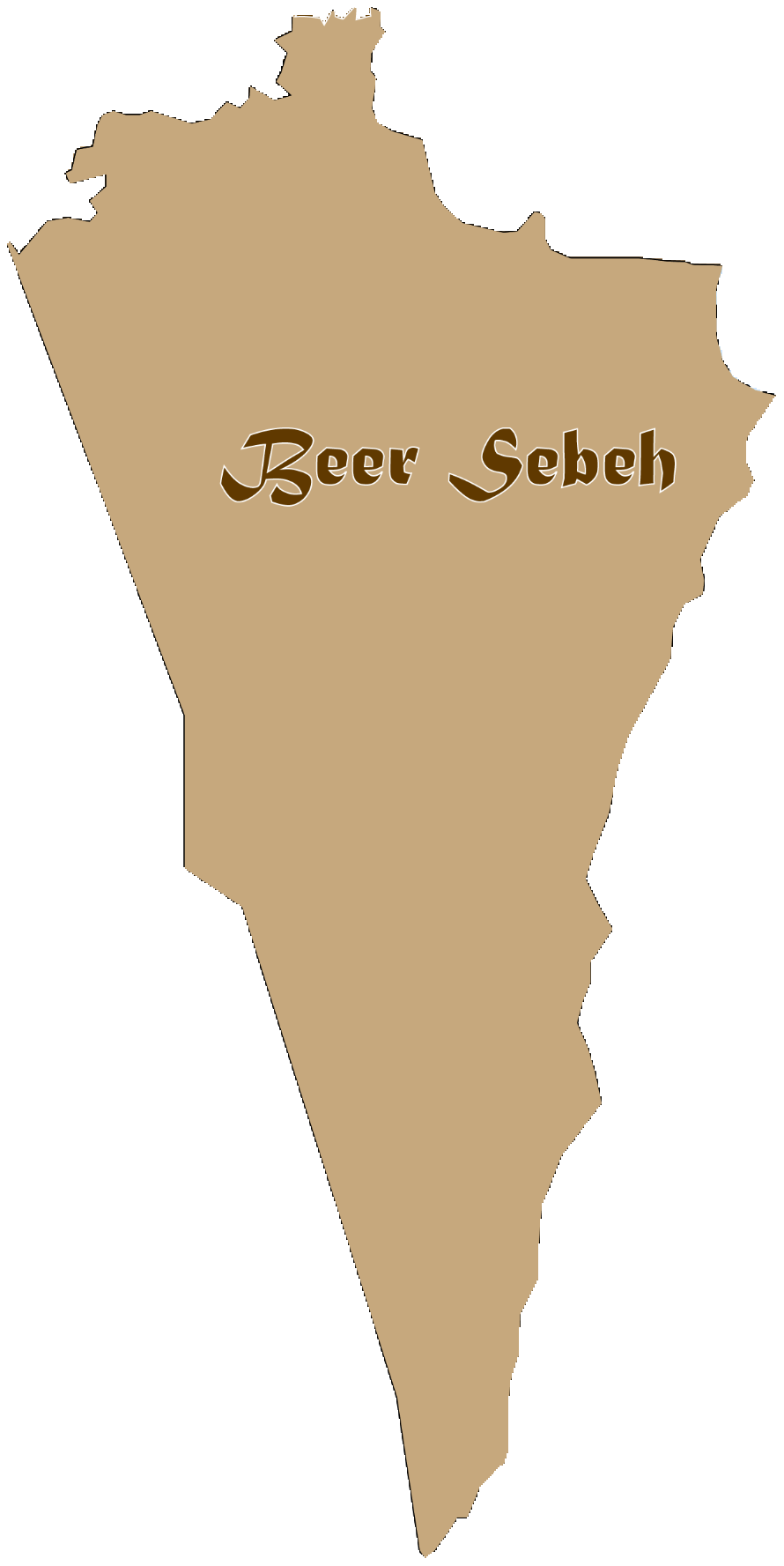
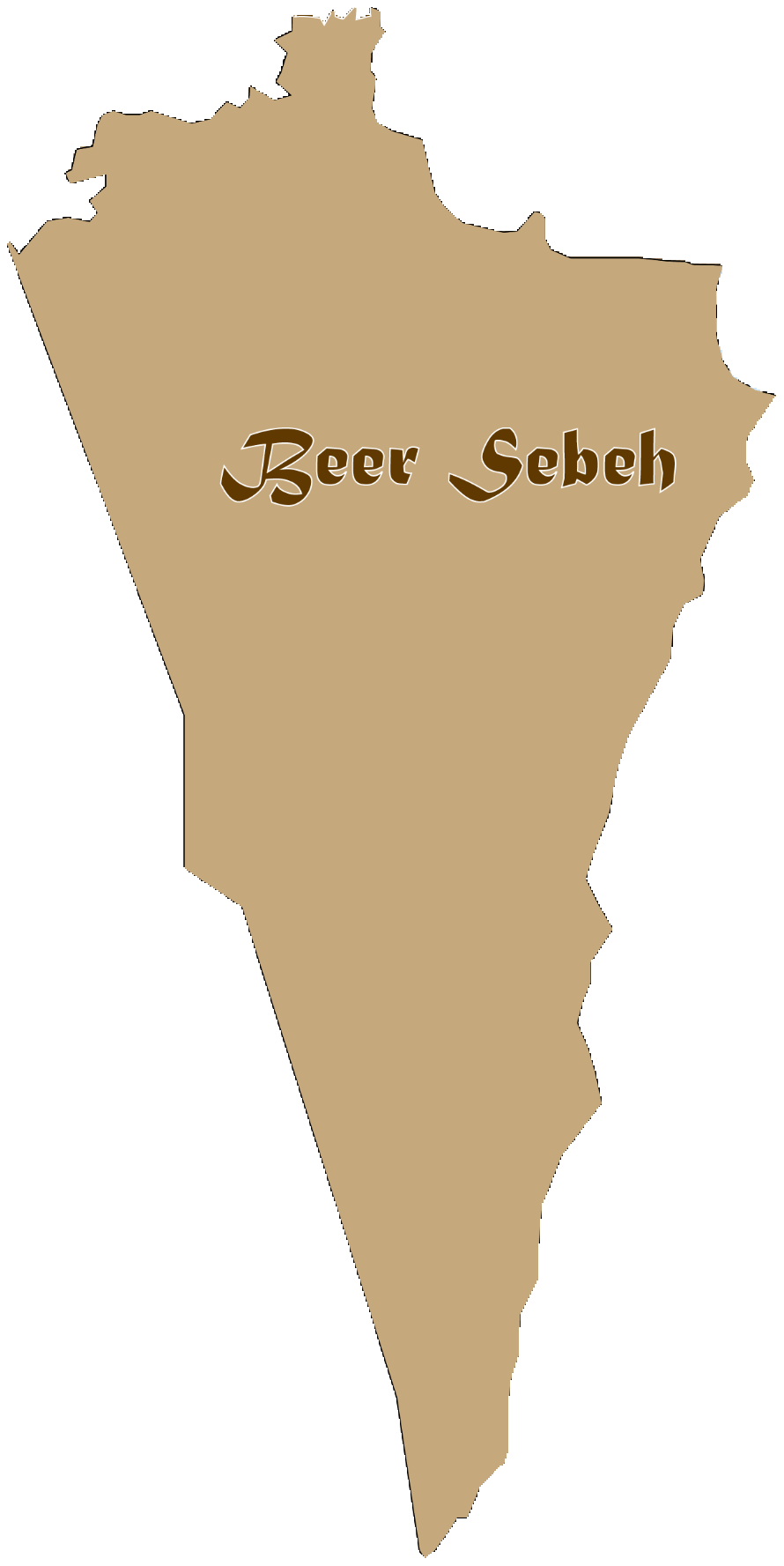
Beer Sebeh
بئر السبعBir al-Sabʿ and the Naqab — by far the largest sub-district, the land of Bedouin tribes who grazed and grew grain across it. The town fell in October 1948 and most of the Naqab’s people were expelled or confined to a closed zone.
District artwork by a member of the society. Boundaries follow the 1947 sub-districts of Mandate Palestine; the colour groups are the six administrative districts of that year.
Where to start
Nobody expects you to already know.
Most people come to this with questions rather than answers. These are the three ways in that we point people towards most often.
Read
The reading list
Histories, memoir and fiction, from short introductions to the long accounts. Start anywhere on it.
Discuss
The book club
One book at a time, a chapter a session. Reading ahead is optional and arguing is encouraged.
Come along
Talks and screenings
Speakers, documentaries and discussions on campus through the year. Most are free and open to all.
Our history
Founded in 2020.
Manchester Friends of Palestine was established as a University of Manchester society in 2020, and has run events on campus every year since.
A fuller account of each year is being written by the committee. If you were involved and want to help fill it in, get in touch.